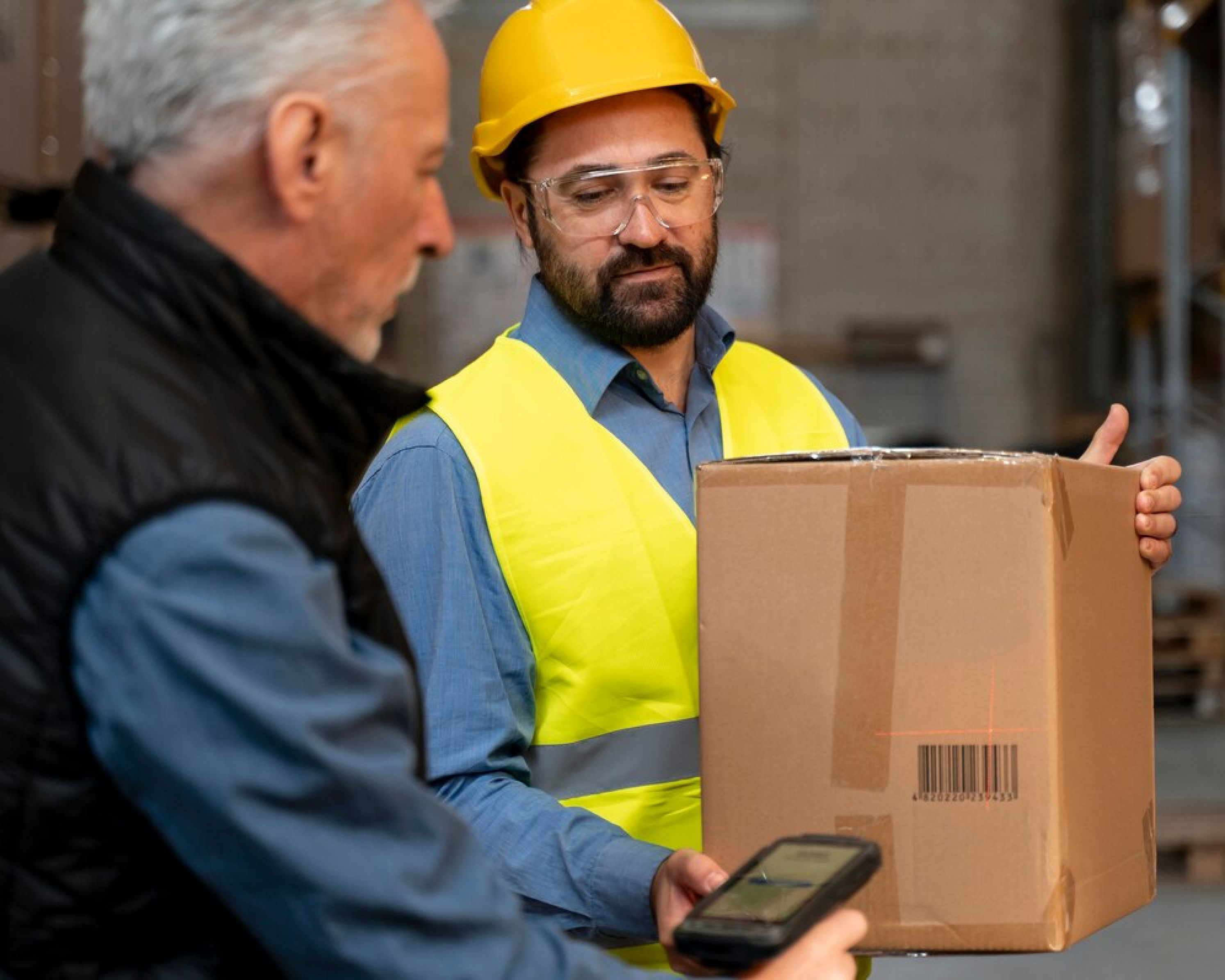
Logistics, Components, and Processes at a Glance
What is Logistics?
Logistics is the science and operational management of planning, executing, and controlling various processes related to moving and storing goods. It encompasses all activities from sourcing and warehousing to distribution, ensuring products and services reach their destinations efficiently. These processes support industries worldwide by facilitating product movement and information exchange across the supply chain.

The Importance of Logistics
-
Cost Reduction:
Streamlining logistics processes can significantly lower expenses related to transportation, warehousing, and other logistics-related activities. -
Service Level Enhancement:
Efficient logistics management improves service quality, leading to better customer satisfaction. -
Productivity Boost:
Effective logistics helps businesses optimize performance, manage resources effectively, and boost productivity. -
Competitive Edge:
Companies with well-organized logistics operations can gain a competitive advantage by ensuring timely delivery and maintaining quality standards.
Components of Logistics
-
Inbound Logistics:
Involves processes related to receiving goods, inventory management, and handling returns. -
Outbound Logistics:
Encompasses delivery, order fulfillment, and inventory management to ensure products reach the customer.
Stages of Logistics
-
First Mile:
This is the initial stage where raw materials are transported from suppliers to the production facilities. It is crucial in industries where materials must come from various sources. -
Middle Mile:
In this stage, goods are transported between different facilities, such as from a warehouse to a distribution center. It helps streamline supply chain logistics. -
Last Mile:
The final stage in logistics, where goods are delivered from a distribution center to the end customer. This is often the most challenging phase, as it involves direct interaction with customers.